
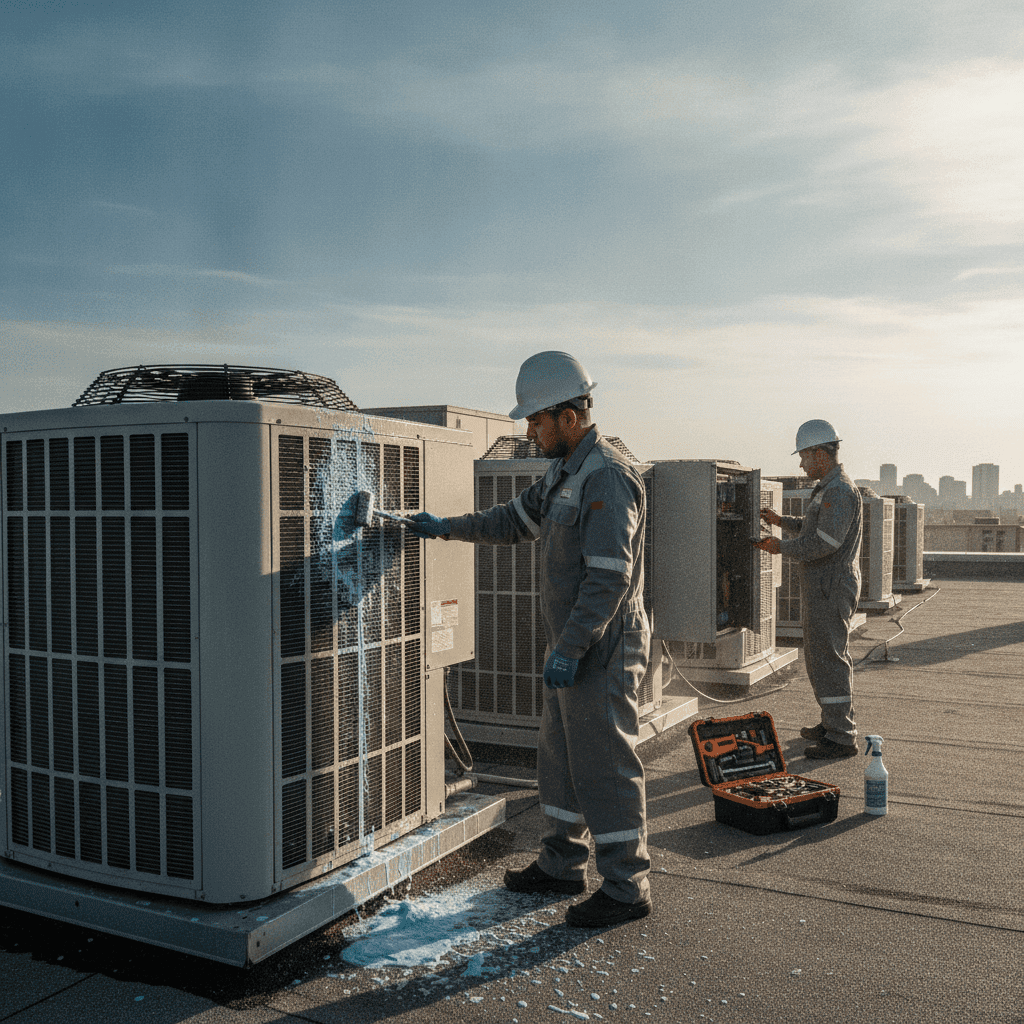
Maintaining Air Conditioning Units
As someone who enjoys a comfortable home environment I know the importance of a reliable air conditioning system. When summer temperatures soar a well-functioning AC unit is not just a luxury but a necessity. I have seen firsthand how neglecting simple maintenance tasks can lead to expensive repairs and inconvenient breakdowns.
Maintaining air conditioning units properly helps them last longer. It ensures they run efficiently. This saves you money on energy bills and keeps your home cool and pleasant.
I want to share my insights on how to keep your AC system in top shape. These tips are drawn from years of experience in home care and observing best practices. Let’s make sure your AC is ready for anything.
Understanding Your Air Conditioning Unit
Before diving into maintenance tasks it is helpful to understand how your air conditioning unit works. We have two main parts usually. There is an outdoor unit which contains the compressor and condenser coil. We also have an indoor unit which houses the evaporator coil and fan.
The system works by moving heat from inside your home to the outside. This cycle involves refrigerant that changes between liquid and gas states. Air is drawn into the indoor unit, cooled over the evaporator coil, and then blown back into your living spaces. The warm refrigerant then travels to the outdoor unit where the heat is released.
This process relies on all components working together seamlessly. Any disruption in this cycle can reduce efficiency or lead to system failure. This is why regular checks and cleaning are so important. I always recommend familiarizing yourself with your specific model’s manual.
Knowing the basic parts helps you identify potential problems early. It makes understanding maintenance steps much clearer. We can address issues quickly and keep our homes cool. A little knowledge goes a long way in preserving the life of your AC unit.
Essential Annual Maintenance Steps
Annual maintenance is critical for maintaining air conditioning units. I consider it a non-negotiable part of home ownership. These yearly checks help prevent major issues and keep your system running smoothly for many years.
One of the first things to do is schedule a professional tune-up. While some tasks can be done yourself a professional can inspect components that are harder to access. They can identify wear and tear that you might miss. I trust our technicians to thoroughly check refrigerant levels and electrical connections. They also lubricate moving parts.
Professional Inspections You Need
A professional service visit often includes several key checks. They will inspect the compressor and motor bearings. Technicians check for any signs of refrigerant leaks. These leaks reduce efficiency and can harm the environment. They also examine the thermostat to make sure it is calibrated correctly.
I have seen many times how these professional eyes catch small problems before they become big ones. They make sure all parts are working as they should. This ensures peak performance and helps avoid unexpected breakdowns. It is a smart investment in your home’s comfort and your peace of mind.
They can also clean the coils thoroughly using specialized tools and solutions. This is something I would not recommend doing without proper training. Dirty coils are a common reason for poor AC performance. They really hurt efficiency.
DIY Maintenance You Can Do
While professional help is vital there are many simple tasks you can do yourself to assist in maintaining air conditioning units. These DIY steps are easy and do not require special tools. They significantly contribute to your AC’s health.
First always turn off the power to your unit before starting any work. Safety comes first. Find the circuit breaker that controls your AC and switch it off. This protects you from electrical hazards.
Cleaning or Replacing Air Filters
Replacing or cleaning air filters is probably the most important regular task. I advise doing this every one to three months. A dirty filter restricts airflow. This forces your system to work harder. It also reduces air quality in your home.
To do this locate the filter slot on your indoor unit. Remove the old filter and note its size. If it is a disposable filter replace it with a new one. If it is a reusable filter wash it with mild soap and water. Let it dry completely before putting it back in. This simple task makes a huge difference.
Keeping the Outdoor Unit Clear
The outdoor unit needs clear space around it to breathe. I always make sure there are no plants or debris blocking the airflow. Leaves grass clippings and dirt can accumulate on the condenser coil. This reduces its ability to release heat.
Using a hose gently spray down the outside of the unit to remove any loose dirt. Make sure the fins on the coil are straight. You can carefully comb any bent fins with a fin comb. This helps maintain good airflow. Clear away any weeds or bushes within two feet of the unit. This also helps with good airflow.
Regular outdoor unit cleaning keeps the system efficient. It prevents overheating. This helps with maintaining air conditioning units effectively.
Recognizing Common AC Problems
Even with consistent maintenance problems can still arise. Knowing how to spot common AC issues can save you time and money. It helps you decide if it is a DIY fix or time to call a professional. I have learned to listen to my AC and notice changes in its behavior.
One common problem is inadequate cooling. If your AC is running but the air is not cold enough it could be a few things. A dirty air filter is a frequent culprit. Low refrigerant levels might also be the cause. Another reason could be a faulty thermostat. These are things to check first.
Strange noises from the unit are always a red flag. Hissing sounds might suggest a refrigerant leak. Grinding or squealing noises often point to motor issues. Clicking sounds could indicate electrical problems. Do not ignore these sounds. They usually mean something needs attention right away.
When to Call a Professional
Deciding when to call in an expert is crucial for maintaining air conditioning units. If you hear persistent loud noises or if your unit is leaking water heavily it is best to consult a professional. Any issue involving electrical wiring or refrigerant should also be handled by certified technicians.
I always advise contacting an HVAC specialist for complex repairs. Attempting to fix these yourself can be dangerous. It might also cause further damage to your system. They have the tools and expertise to diagnose and resolve these problems safely. Finding the right professional for your needs is important and you should know what to look for when hiring an HVAC company to ensure you get reliable service.
An AC unit that cycles on and off too frequently also suggests a deeper problem. This could be due to an improperly sized unit or a fault in the system. These are not simple fixes and require expert assessment to prevent future issues.
Seasonal Preparations for Your AC
Preparing your air conditioning unit for different seasons can greatly extend its lifespan. It also ensures it performs at its best when you need it most. I have a simple routine that I follow each spring and fall.
In the spring as cooling season approaches I begin with a thorough inspection of the unit. I clean the outdoor coils and check the air filter. I make sure all vents indoors are clear and unobstructed. This prepares the system for heavy use in the warmer months. This is also a good time to schedule the professional tune-up.
For the fall and winter months I prepare my AC unit for dormancy. I usually turn off the power to the outdoor unit. This protects it from potential power surges during winter storms. I also consider covering the outdoor unit with a breathable cover. This shields it from heavy snow and ice. It prevents debris from collecting inside.
The cover should be breathable to prevent moisture buildup which can cause rust or mold. These simple seasonal steps help in maintaining air conditioning units. They ensure that your AC is protected when not in use. They also help it wake up ready to go when spring returns.
Energy Efficiency Tips for Your AC
Beyond maintenance there are several ways to improve your AC’s energy efficiency. These tips help save money on utility bills. They also lighten the load on your system. I am always looking for ways to make my home more energy-efficient.
First consider setting your thermostat to a reasonable temperature. I find that 78 degrees Fahrenheit is a good balance between comfort and energy savings. Raising the temperature by a few degrees can noticeably reduce energy consumption. Use programmable or smart thermostats to manage temperatures even better.
Sealing leaks in your home is also very effective. I check windows and doors for drafts. I use weatherstripping or caulk to seal any gaps. This prevents cooled air from escaping and warm air from entering. It lets your AC cool your home more efficiently.
Smart Thermostat Usage
A smart thermostat is a powerful tool for energy management. I set mine to adjust temperatures automatically when I am away from home. It also learns my preferences over time. This ensures comfort when I am home and savings when I am not.
They can be controlled remotely from your phone. So I can adjust the temperature before I arrive home. This means I come back to a cool house without the AC running all day. It is a fantastic way to optimize energy use for maintaining air conditioning units.
Using ceiling fans alongside your AC can also help. Fans create a wind chill effect. This makes rooms feel cooler. You can often raise your thermostat setting by a few degrees. This saves energy without sacrificing comfort.
Conclusion on Maintaining Air Conditioning Units
Maintaining air conditioning units is essential for a comfortable home and lower energy bills. I have shared my best advice gathered from years of practical experience and observations. We covered everything from understanding how your unit works to performing critical DIY maintenance tasks. I also touched on knowing when to call in the experts and preparing your system for seasonal changes. We talked about leveraging energy efficiency tips like smart thermostats and proper insulation. Regular filter changes cleaning the outdoor unit and seasonal preparations are simple but impactful steps. These actions help your system run more smoothly. They also extend its operational life.
I hope these insights empower you to take charge of your AC maintenance. Proactive care truly pays off in the long run. It prevents costly repairs and ensures consistent comfort throughout the hottest months. Your air conditioning unit is a significant investment. Giving it the care it deserves means you will enjoy cool air for many years to come. Start implementing these tips today and feel the difference.