
Your Essential Guide to Senior Medical Alert Systems
I often think about the safety and independence of our senior loved ones. Keeping them safe while allowing them to live life on their own terms is a top priority for many families. This balance can sometimes feel like a challenge. We want to be there for them always but that is not always possible.
This is where senior medical alert systems come into play. They are not just gadgets. They are tools that bring a great deal of comfort and security to both seniors and their families. I have seen firsthand how these systems make a difference in everyday living.
These systems provide a crucial link to help. This means help is always within reach. It is about creating an environment where seniors feel supported and families feel less worried. We can look at what these systems offer and how they can improve daily life for seniors.
Understanding What Senior Medical Alert Systems Are
A senior medical alert system is a personal emergency response device. It is designed to get help quickly during an emergency. The main goal is to provide immediate assistance when a senior falls or has a medical issue. I know that many people imagine a simple button but these systems are much more advanced today.
The core function of these systems is simple. A person experiences an emergency and presses a button. This action connects them to a monitoring center. This center then contacts family members or emergency services. The speed of this response can be very important in critical situations.
I have heard stories where a quick response saved someone from a long wait after a fall. We understand the need for reliable technology. This technology offers peace of mind. It ensures that help is always just a button press away.
The Basic Components You Will Find
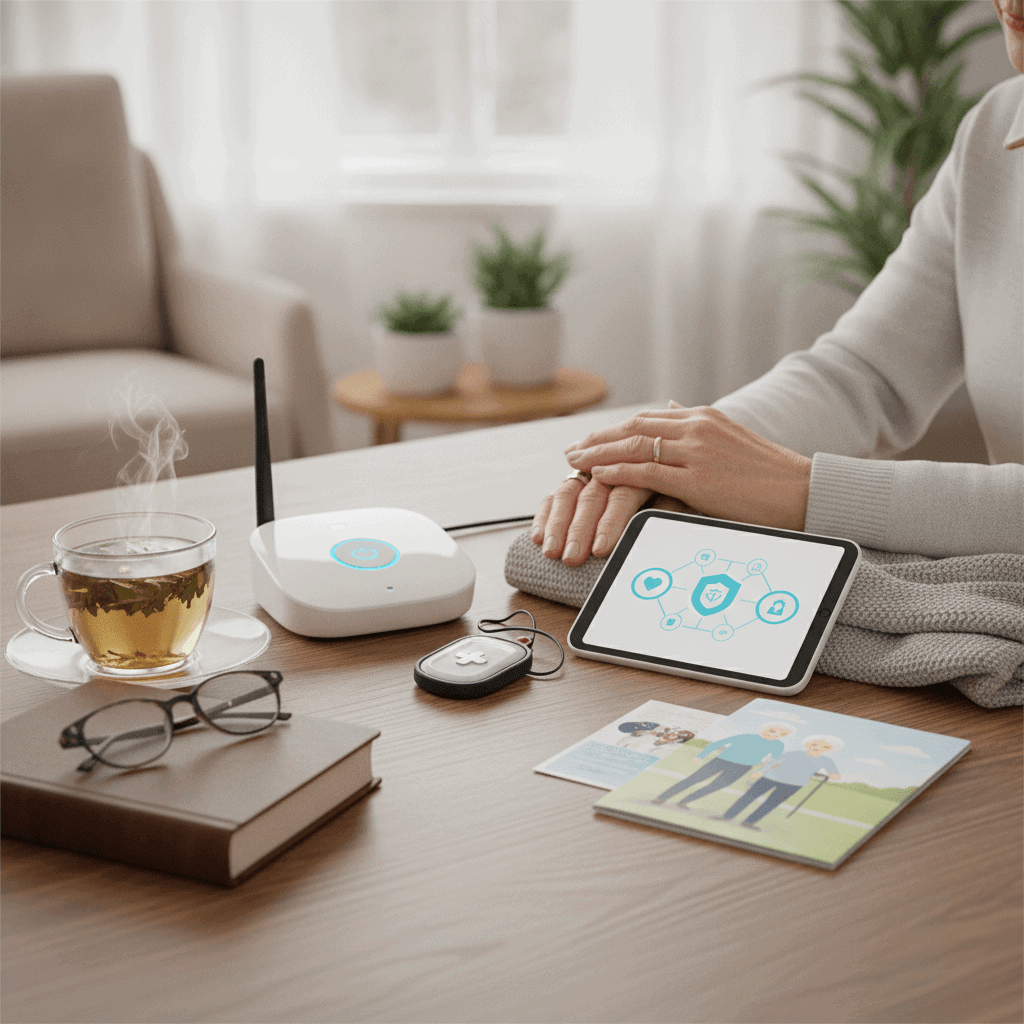
Most systems include a few main parts. There is usually a wearable device. This is often a necklace or a wristband. It has a button to push during an emergency. This device is typically lightweight and water resistant.
Another key component is the base unit. This unit connects the wearable device to the monitoring center. It often has a speaker and microphone for two-way communication. Many modern units connect through a cellular network. Older models might use a landline.
Finally, there is the monitoring center itself. This is a team of trained professionals. They are ready 24/7 to answer calls and dispatch help. They act as the central hub connecting seniors to assistance.
Types of Medical Alert Systems for Seniors
When we talk about medical alert systems, it is important to know there is not just one kind. Different systems suit different lifestyles and needs. I have helped many families sort through these options. This way they find the perfect fit for their loved ones. Each type offers distinct advantages.
We generally classify them into three main categories. These are in-home landline systems, in-home cellular systems, and mobile GPS systems. Choosing the right one depends on where the senior spends most of their time. It also depends on how active they are.
For someone who stays mostly at home, an in-home system works well. If a senior is often out and about, a mobile system offers better protection. We will look at each type.
In-Home Systems for Stationary Living
In-home systems are perfect for seniors who spend most of their time at home. These systems connect to a base unit in the house. The base unit then communicates with a monitoring center. Some use a traditional landline. Others use cellular technology which does not require a landline.
These systems have a range of coverage inside and around the home. They are great for detecting falls within the house. They ensure that help can be summoned quickly when inside the safe confines of one’s dwelling. This offers great comfort to both the senior and their family.
Mobile Systems for Active Seniors
Mobile GPS medical alert systems provide protection on the go. These are for seniors who enjoy an active lifestyle. They like to travel, garden, or run errands. These devices usually have built-in GPS. This means help can find them no matter where they are.
I often suggest these to seniors who do not want their independence limited. The device works anywhere there is cellular service. It offers the same direct connection to a monitoring center as in-home units. This portability is a game changer for many people.
Key Features to Look for in a System
Selecting a medical alert system means looking beyond the basic call button. There are several key features that can greatly improve a senior’s safety and comfort. I always advise families to think about what extra layers of protection might be beneficial. These features can truly make a difference in an emergency situation.
We want a system that is not only reliable but also easy to use. The more intuitive the design, the more likely a senior is to use it effectively. We will look at some of the most important features.
Automatic Fall Detection Technology
Automatic fall detection is one of the most important innovations in medical alert systems. This feature uses sensors to detect if a person has fallen. It then automatically alerts the monitoring center. This is incredibly valuable for situations where a senior cannot press their button. They might be unconscious or disoriented.
I know that some seniors worry about false alarms. Modern fall detection technology is quite advanced. It works to minimize these. This feature provides a crucial safety net for many. It offers true peace of mind because help is summoned even if the person cannot ask for it.
Two-Way Communication and Monitoring
Another essential feature is two-way communication. Many base units and mobile devices include a speaker and microphone. This allows the senior to talk directly to a dispatcher at the monitoring center. This conversation happens without needing to pick up a phone.
This direct line of communication helps the dispatcher understand the situation quickly. They can assess if emergency services are needed. They also provide reassurance to the senior. I believe this human connection is very important. It reduces anxiety during a stressful event.
Choosing the Right Medical Alert System
Choosing the right medical alert system is a personal decision. It depends on several factors specific to the senior’s situation. I have found that a thoughtful assessment of needs leads to the best choice. It is not a one-size-fits-all product.
We need to consider the senior’s daily routines and health conditions. Budget also plays a role. We want a system that offers maximum benefit without undue financial strain.
Assessing Lifestyle and Mobility
The first step is to assess the senior’s lifestyle. Is your loved one mostly homebound or do they enjoy going out regularly? For someone who stays home, an in-home system with a strong range is usually enough. For a senior who is more active, a mobile system with GPS is a better option.
Consider their mobility too. If they use a walker or wheelchair, a system with a simple, easily accessible button is key. If they are prone to falls, fall detection becomes a must-have feature. I always emphasize matching the system to the person’s real life.
Understanding Pricing and Service Plans
Costs for medical alert systems can vary. There are usually monthly monitoring fees. Some companies also charge for equipment or activation. I advise looking closely at what is included in each plan.
Some plans offer additional services like medication reminders. Others have flexible contract terms. We want transparency in pricing so there are no surprises. It is wise to compare different providers to find the best value for the features you need. To help with your search, you can explore options for best medical alert systems to find a solution that fits your specific needs and budget.
Installation and Testing Your System
Once you choose a senior medical alert system, the next steps are installation and testing. I assure you this process is typically very straightforward. Most systems are designed for easy setup. You do not need to be a tech expert to get them working.
We always make sure our clients understand how to set up their systems. The goal is to make it as simple as plugging it in and turning it on. But just as important as setting it up is making sure it works properly. This means regular testing.
The Simple Setup Process
For in-home systems, installation often involves plugging the base unit into a power outlet. If it is a landline system, you also plug it into a phone jack. Cellular units just need power. The wearable device comes pre-programmed. It connects automatically to the base unit.
Mobile units are even simpler. They are often ready to use right out of the box after charging. I have found that most companies provide clear instructions. Support staff are also available to help with any questions.
Regular Testing for Peace of Mind
Testing your medical alert system regularly is vital. I recommend doing a test call at least once a month. This confirms that the system is functioning correctly. It also ensures that the monitoring center receives signals.
During a test, you typically press the help button. When a dispatcher answers, you simply tell them it is a test. This routine practice builds confidence in the system. It helps the senior feel more secure knowing it will work when truly needed. We consider testing a crucial part of ongoing safety.
The Benefits Beyond Emergency Response
While the primary purpose of senior medical alert systems is emergency response, their benefits extend far beyond that. I have seen how these systems empower seniors in their daily lives. They truly contribute to a better quality of life. The positive impacts are both practical and emotional.
These systems help reduce the fear of falling or being alone. This fear can often limit a senior’s activities. It also provides comfort to family members. They know their loved one has a safety net. This can be very reassuring.
I believe the greatest benefit is the increased independence it fosters. Seniors can continue to live in their own homes longer. They do not have to rely as heavily on constant supervision. This means they can maintain their autonomy. They can enjoy their favorite activities without constant worry.
The psychological boost is important too. Knowing help is available at any moment enhances confidence. This confidence encourages seniors to stay active and engaged. It allows them to feel more secure in their environment. This truly improves their overall well-being.
Final Thoughts on Senior Medical Alert Systems
Senior medical alert systems represent an invaluable investment in safety and peace of mind. I have seen their positive impact on countless lives. These systems offer more than just emergency assistance. They provide a foundation for continued independence and confidence for our senior population. We have explored the different types of systems available. We have also looked at key features like fall detection and two-way communication. I hope this guide helps you understand their importance.
Remember to consider a senior’s lifestyle and needs when choosing a system. Look for clear pricing and reliable monitoring services. Regular testing of the device is also critical. It ensures everything works as it should. These steps ensure your loved one receives the best protection possible. It helps them live life to the fullest.
I encourage you to explore these options for yourself or an elderly family member. Investing in a medical alert system is investing in their safety and independence. It allows them to maintain their dignity and freedom. It gives you a sense of security. Take the time to find the right system and create a safer environment today.